Historical aside
Thorstein Veblen

Veblen had a brilliant insight: our relation to work, leisure, and material goods is a social performance.
(He then shoe-horned every bigotry he had into this theory, maligning parks, dogs, horses, wives, servants, and a liberal education as frivolity.)
Conspicuous consumption
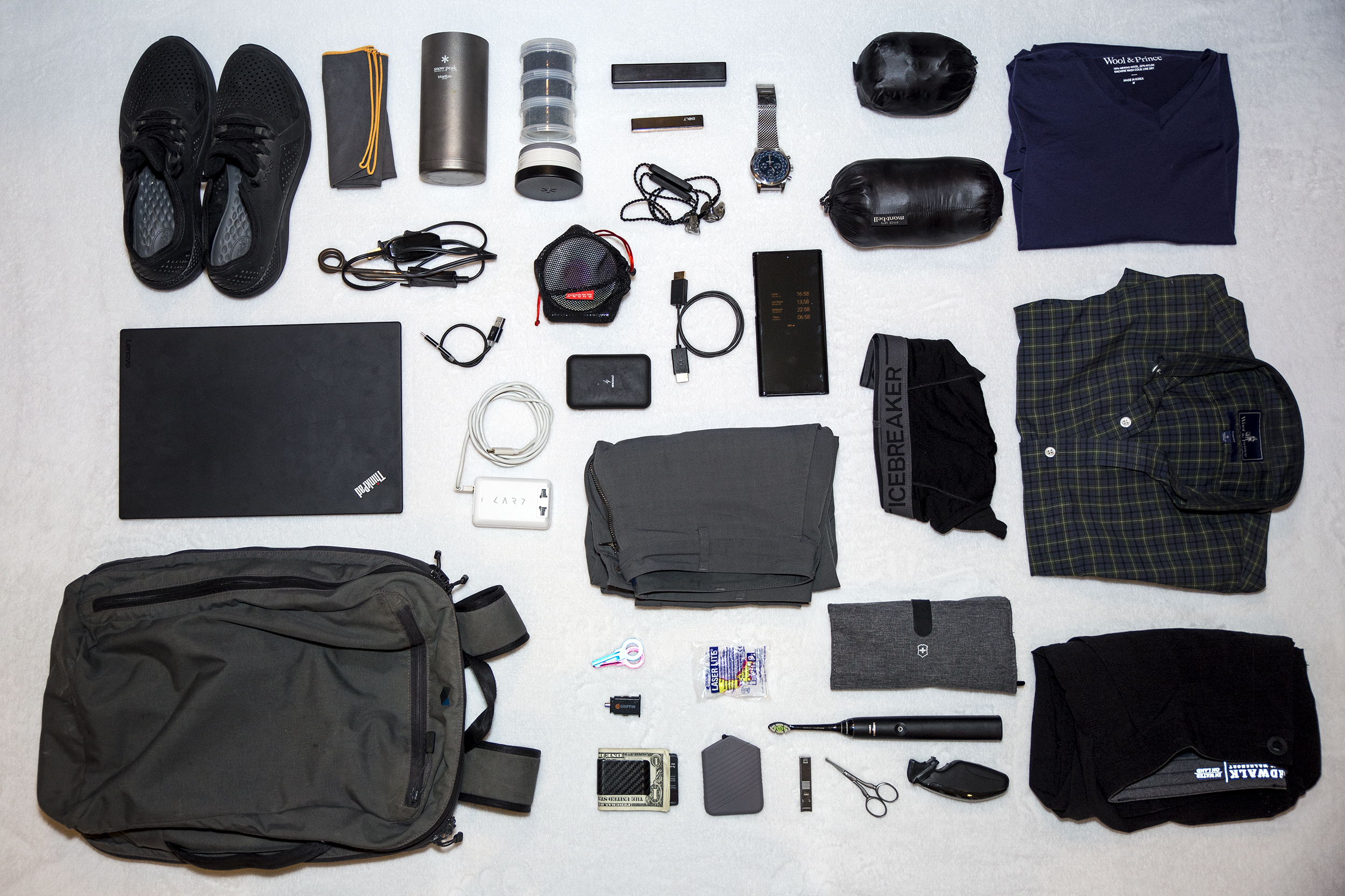
The quasi-peaceable gentleman of leisure… consumes freely and of the best, in food, drink, narcotics, shelter, services, ornaments, apparel, weapons and accoutrements, amusements, amulets, and idols or divinities. …Since the consumption of these more excellent goods is an evidence of wealth, it becomes honorific; and conversely, the failure to consume in due quantity and quality becomes a mark of inferiority and demerit. (Veblen 1899/2006, “Conspicuous consumption”, p. 47)
Conspicuous leisure
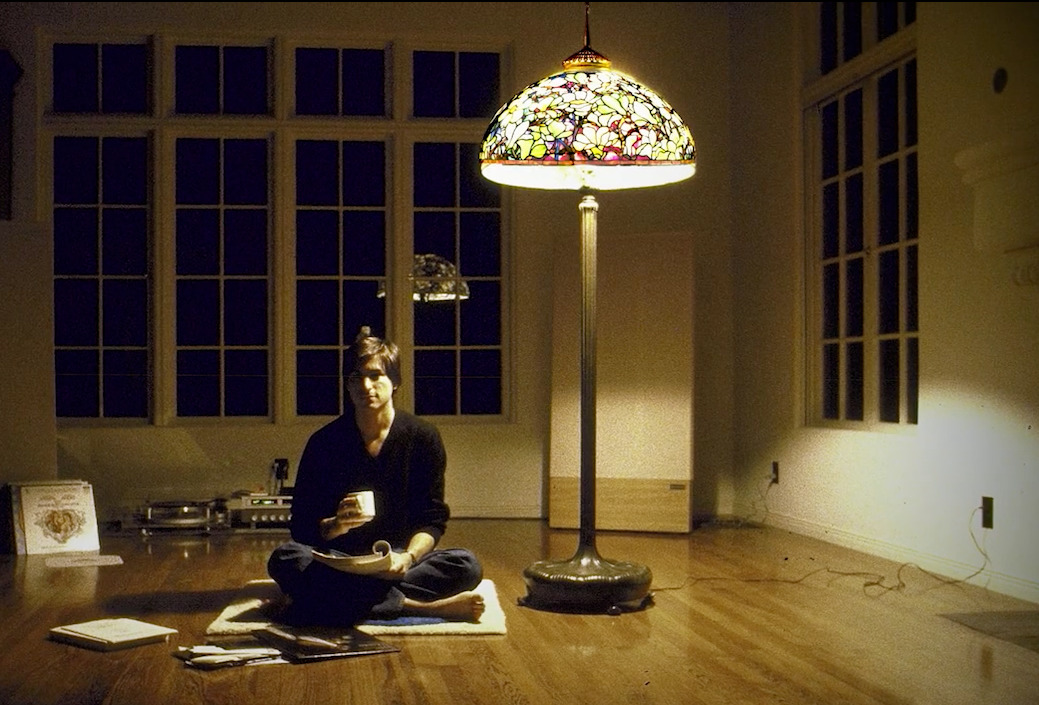
The term “leisure,” as here used, does not connote indolence or quiescence. What it connotes is non-productive consumption of time. Time is consumed non-productively (1) from a sense of the unworthiness of productive work, and (2) as an evidence of pecuniary ability to afford a life of idleness. (Veblen 1899/2006, “Conspicuous consumption”, p. 21)