Getting Things Done
5 Pillars
Flowchart

Go around 💬
- What do you think?
- What is appealing?
- What is unappealing or concerning?
- What does it say of our moment?
GTD espouses asociality as superiority. It draws together troubling philosophical legacies of exceptionalism in the guise of successful entrepreneurialism. (Gregg 2015, “Getting things done”, p. 187)
its main principles require investment in a default assholery (James 2012) that elevates an elite class of worker beyond the concerns of ordinary colleagues and social bonds. (Gregg 2015, “Getting things done”, p. 187)
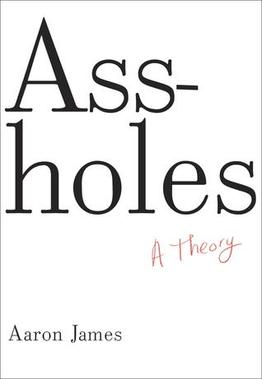
when, and only when, he systematically allows himself to enjoy special advantages in interpersonal relations out of an entrenched sense of entitlement that immunizes him against the complaints of other[s]
[unlike “the mere jerk,”] the asshole acts out of a firm sense that he is special, that the normal rules of conduct do not apply to him. (James 2012, “Assholes”, ch. 1)
To feel productive is to exude as a personal accomplishment the quality sought and endorsed by modern computing technologies and management mantras alike. (Gregg 2015, “Getting things done”, p. 188)
The GTD industry thus epitomizes the trend toward algorithmic living, in which data bits and code become the impetus for enlightened behavior. (Gregg 2015, “Getting things done”, p. 188)
That individuals have the power to control life’s unpredictability in such a way through the deployment of technological infrastructure is just the first fantasy GTD cannot fulfill. (Gregg 2015, “Getting things done”, p. 187)
The pivotal religious experience delivered by these services is the sense that you can be God, in charge of your destiny, for at least twenty-five minutes a day. (Gregg 2015, “Getting things done”, p. 194)
It is a belief system that normalizes and accepts hierarchical power and collegial disharmony. In its efforts to streamline out of existence not just distractions but the purportedly unimportant neediness of other people, GTD continues a legacy of thought that is content with the mission of elevating the status of a few especially brilliant people above the struggles of others. (Gregg 2015, “Getting things done”, p. 189)
The notion of freedom GTD celebrates is, perversely, the freedom to work. In practice it typically means liberation from a raft of unrewarding labor that others must still perform. (Gregg 2015, “Getting things done”, p. 195)
is a series of questions we try to answer while watching a guru; includes the notion of trope
A trope is a storytelling device or convention, a shortcut for describing situations the storyteller can reasonably assume the audience will recognize. Tropes are the means by which a story is told by anyone who has a story to tell. We collect them, for the fun involved. (Tropes 2022)
values, moment, & assumptions; authority, relatability, & tropes?
values, moment, connect, metaphors, authority, assumptions?