Cognition
Mall count

Would some people … make a clearly false statement when looking directly at photographic evidence—simply to support the Trump administration’s claims? (SchaffnerLuks 2017)
Yes they would

Biden’s inauguration

Would some people … make a clearly false statement when looking directly at photographic evidence—simply to support the Trump administration’s claims? (SchaffnerLuks 2017)
e.g., bias: “real” = low; “fake” = high
| Attribute | “real” | “fake” |
|---|---|---|
| bias | low | high |
| basis | reality | ideology |
| motivation | ||
| accountability | high | low |
| news/opinion firewall | discrete | blurred |
| size | larger | smaller |
| sources | verifiable | not |
| ? | ? | ? |
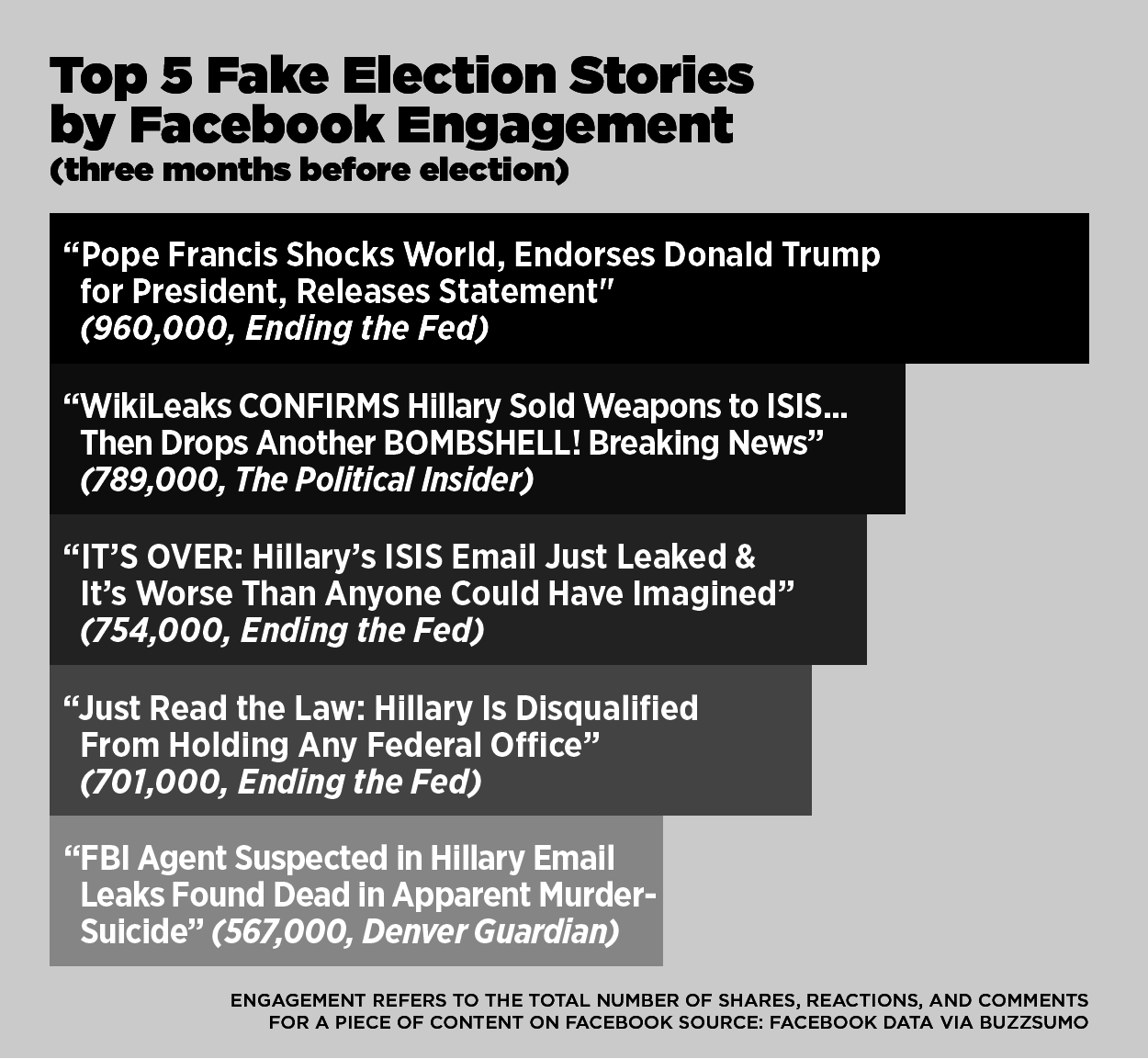
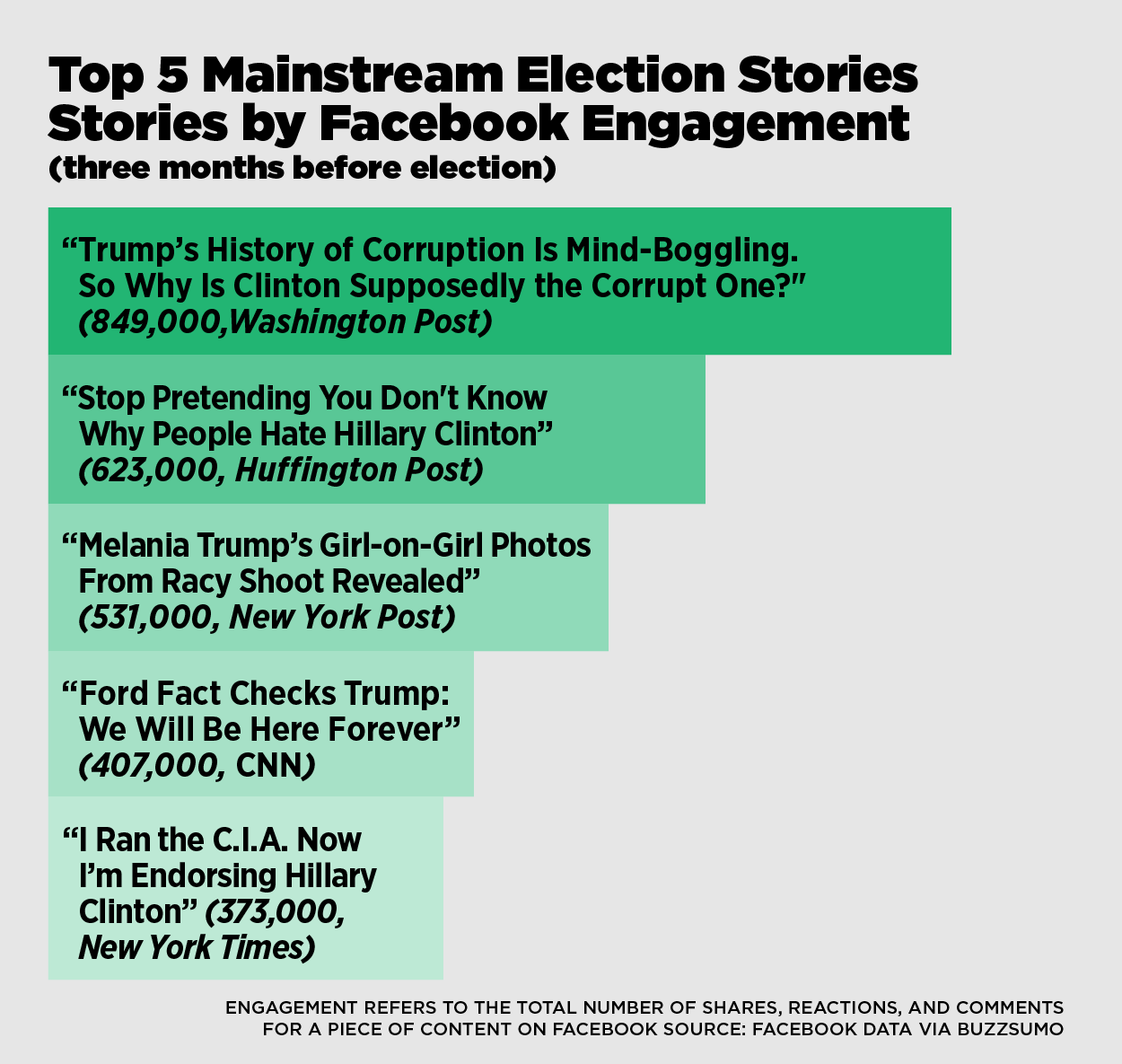
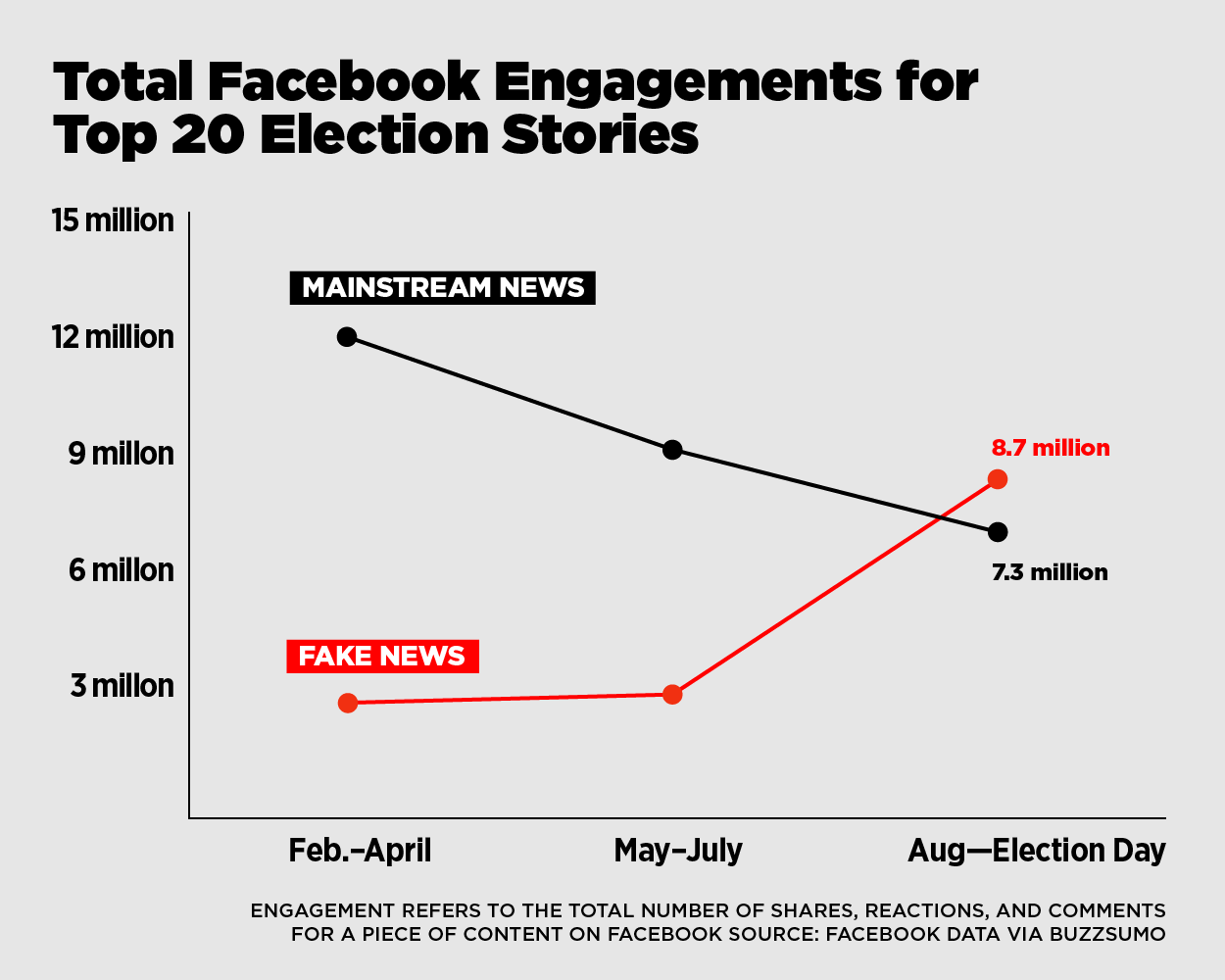

- foreign government agents
- hyper-partisans
- and …
- easier flagging
- reporting to fact checkers
- improving algorithm
- disrupting financial incentives (Mosseri 2016)
Facebook Took Down A Fact-Check Of An Anti-Abortion Video After Republicans Complained
The fact-check was conducted by three doctors who determined an anti-abortion activist’s claim that “abortion is never medically necessary” was false. (Koerner 2019)
The “culture of doubt and critique, experience over expertise, and personal responsibility” is furthering tribalism.
Media literacy asks people to raise questions and be wary of information that they’re receiving.
People are. Unfortunately, that’s exactly why we’re talking past one another. (boyd 2017)
Do you agree??
Summary of the research (PennycookRand 2019)


Write a question, insight, or connection about the reading on the board