The “gender gap”

Joseph Reagle

Why?

Our question(s)

  • Is there a “gender gap”?
  • Why does it happen?
    • “how can gender disparity persist in an anonymous medium which allegedly renders gender invisible?” (Herring 2003, p. 206)
  • Does it matter?
  • And what to do about it, if anything?

On disagreement

Disagreement can be okay

Today we discuss a complex and contentious issue, but we should be able to do so:

  • civilly (without attacking others) and
  • productively, by:
    • prioritizing why and how we come to beliefs over what we believe.
    • assessing our confidence in beliefs (e.g., ~80%),
    • modifying beliefs when appropriate, and
    • appreciating beliefs are based on valid differences in values, experiences, and positions.

Writing for the enemy opponent

explaining another person’s point of view as clearly and fairly as you can, even if you strongly disagree… (Wikipedia 2018)

“[steelmanning:] addressing the best form of the other person’s argument, even if it’s not the one they presented” (Messinger 2012)

[the ideological Turing test:] state opposing views as clearly and persuasively as their proponents” (Caplan 2021)

Terminology

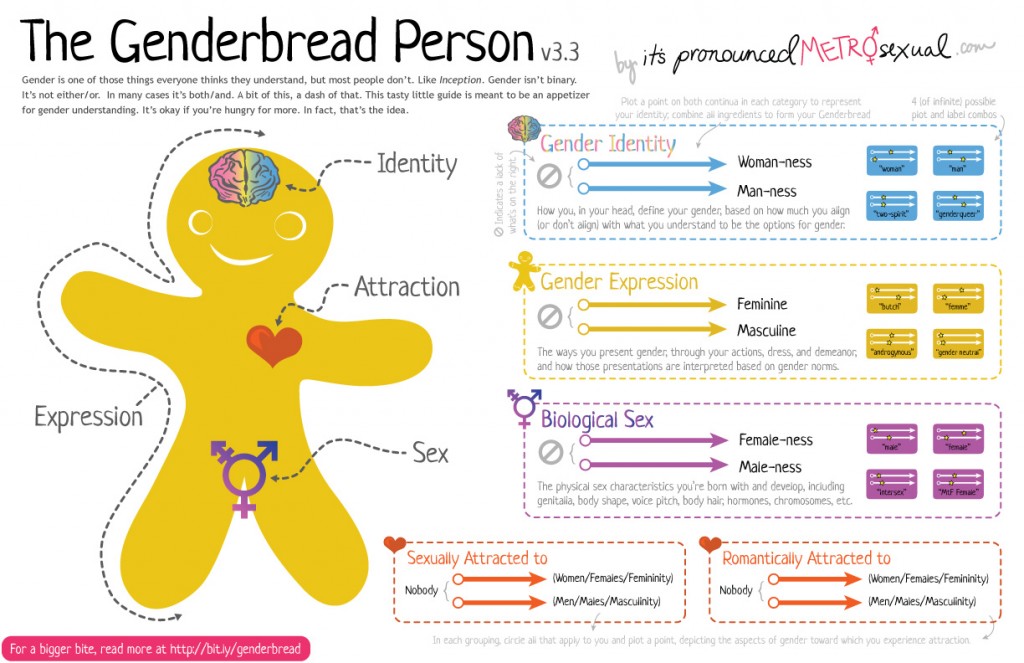
I use terms as follows – though this is a controversial topic.

Genderbread person

See also v4.0 and gender unicorn.

Non-binaries

Humans are a dimorphic species; sex and gender are extremely and strongly bimodal.

But some people do not fall within a strict sex or gender binary, e.g., intersexed and genderqueer folk.

The gap refers to the unequal participation or representation between the sexes or genders.

Sex differences (Eliot 2009, “Pink brain, blue brain”, p. 11)

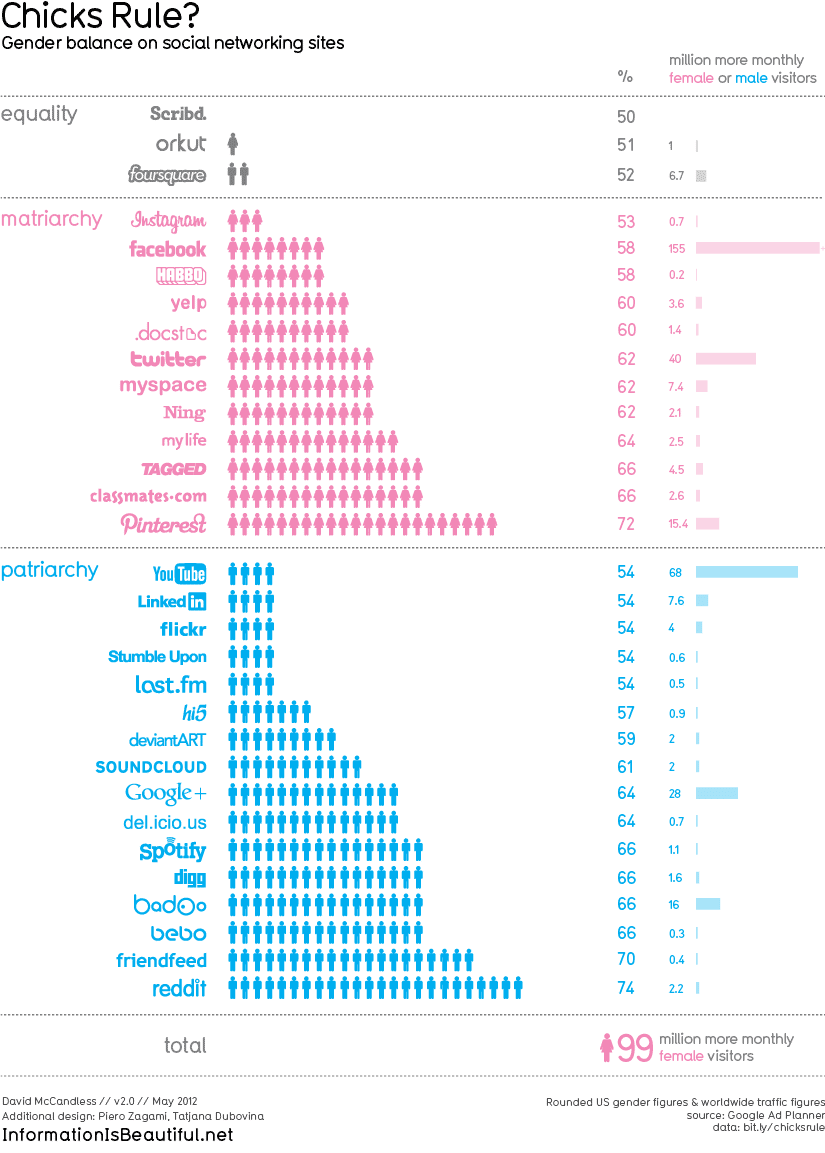
Gender difference online?

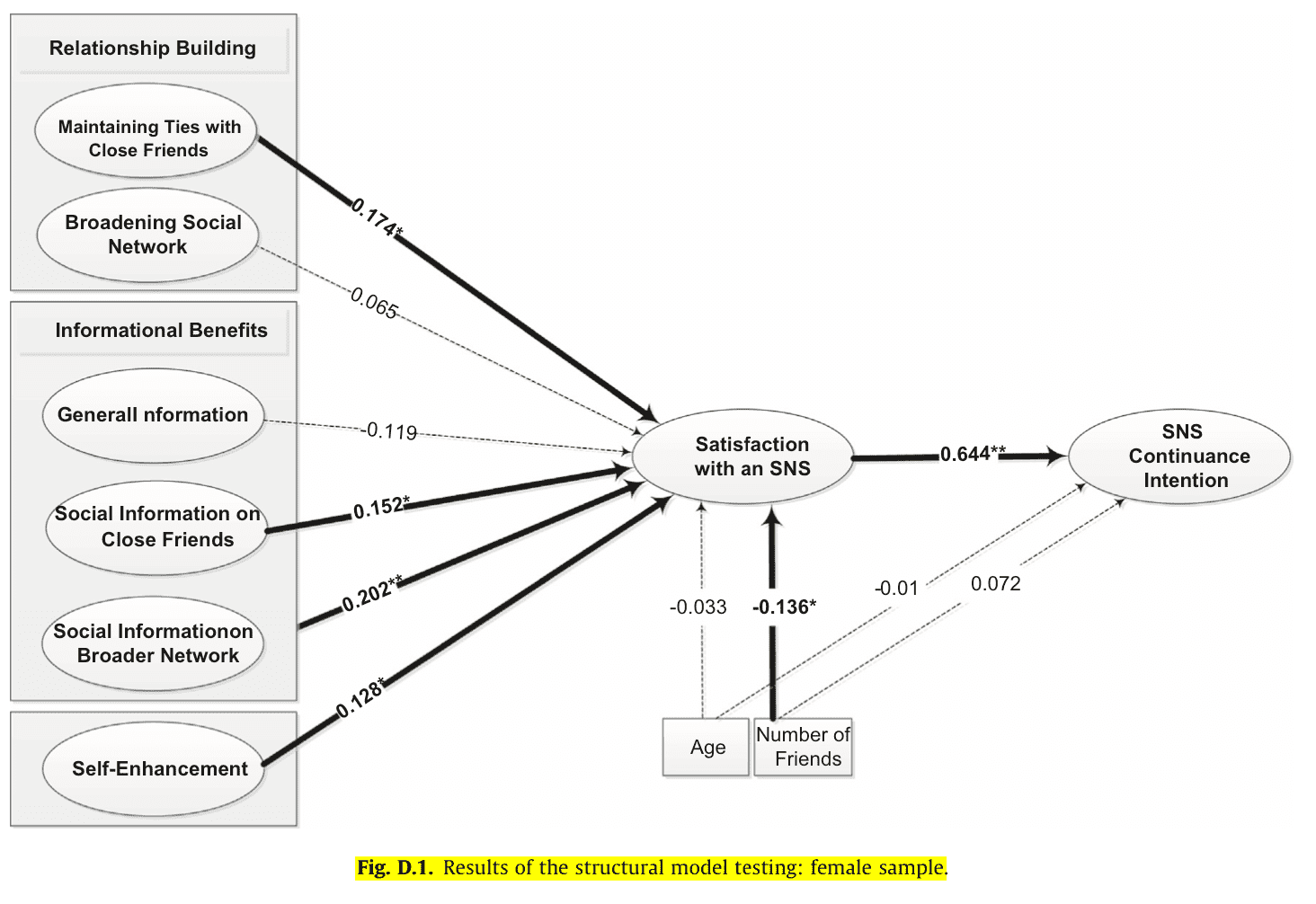
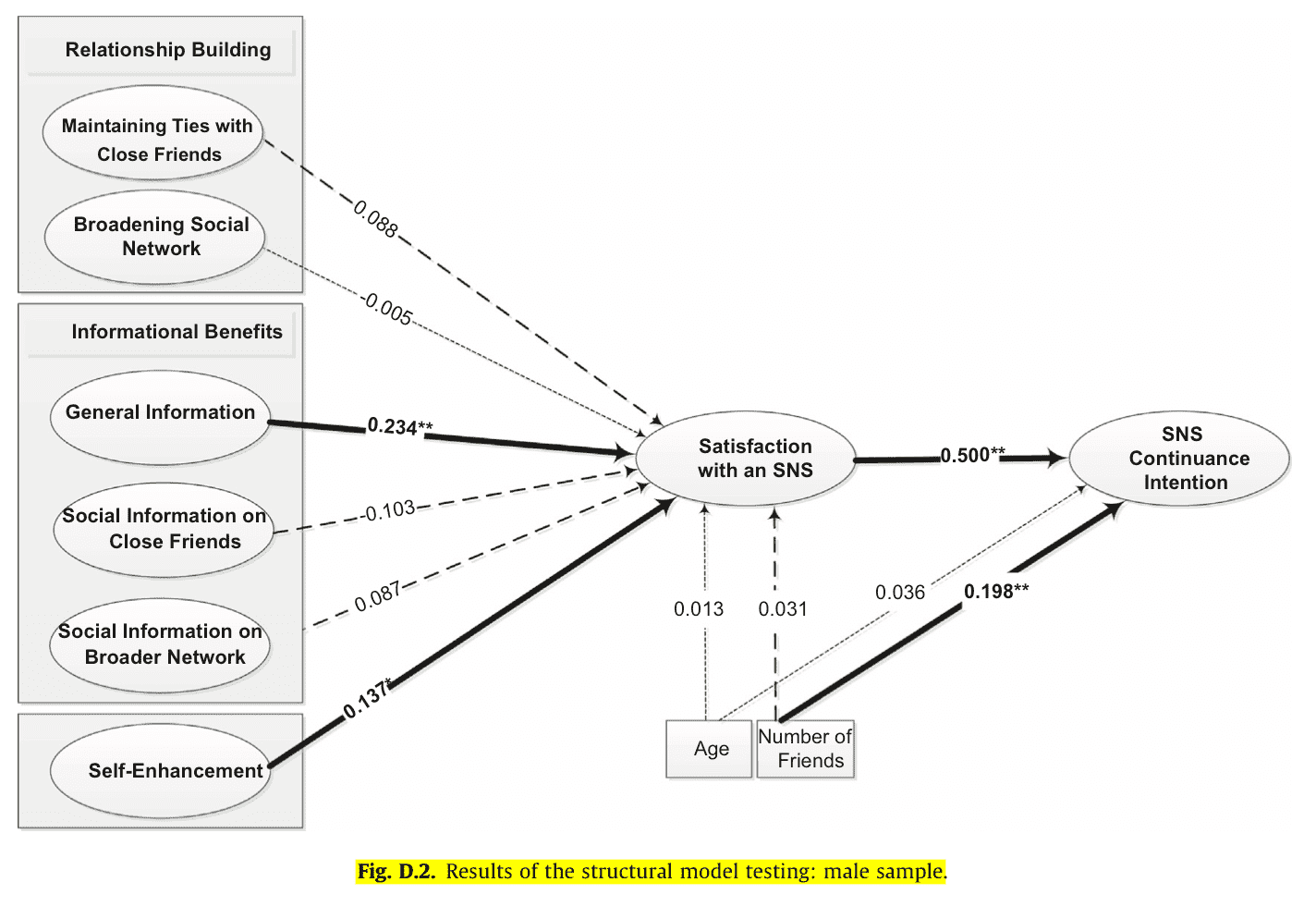
Krasnova et al. 2017

surveys 488 SNS users to test hypotheses about gender and “continuance intentions”

gender groups are, by definition, the largest and easiest for SNS providers and marketers to identify … can be leveraged in ad targeting, feature selection, and interface design (Krasnova et al. 2017, p. 262)

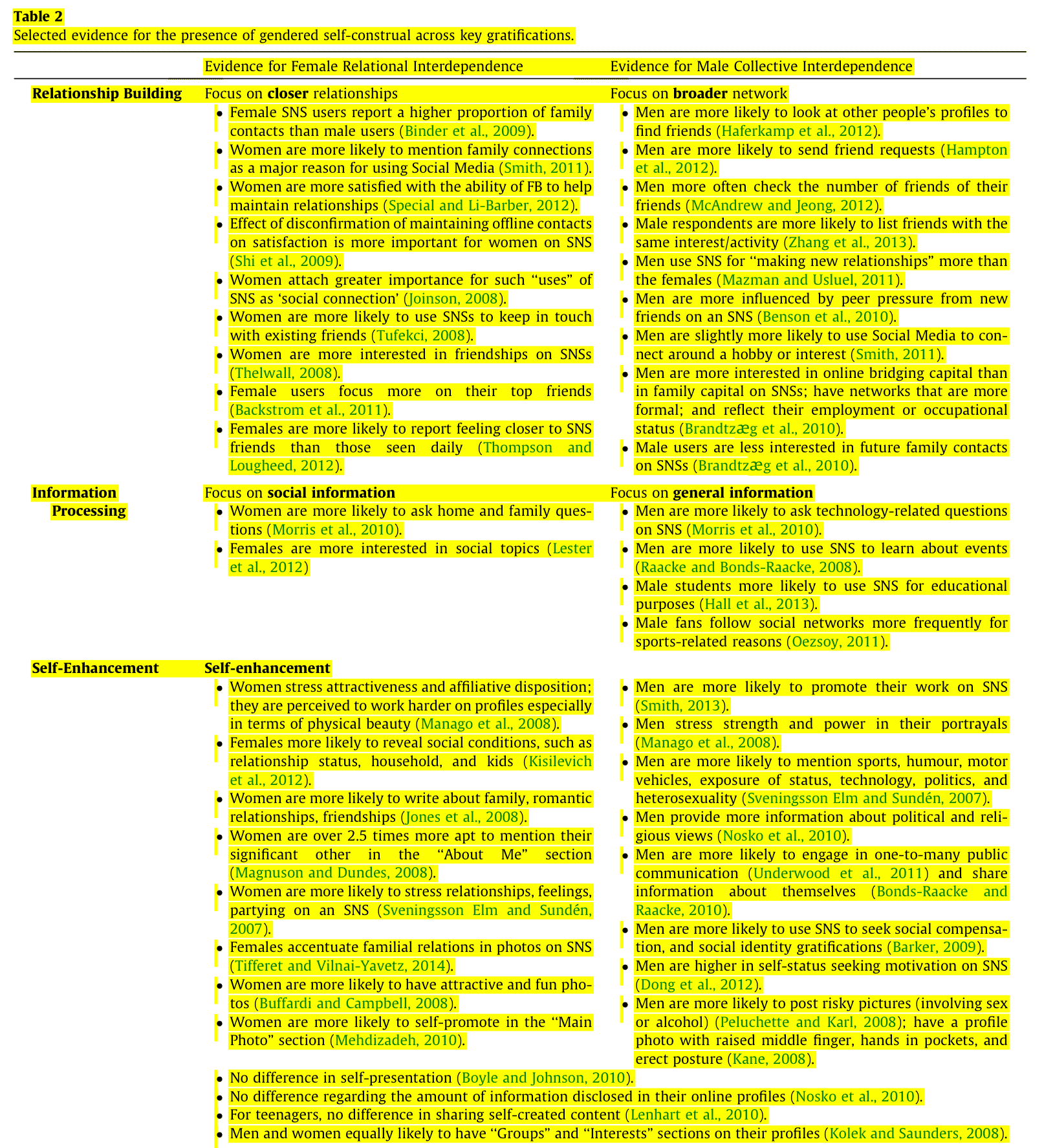
Evidence of differences

literature

Results: women

women

Results: men

men

https://strawpoll.com/cda-gg

What do you think??

  • Women
    • relationship building
      • maintaining ties with close friends
      • broadening social network
    • informational
      • on close friends
      • broader network
    • self-enhancement

Why?

Choice

Discrimination

Does it matter?

In geekdom?

  • Gender Bias in Wikipedia and Britannica (Reagle & Rhue 2011)
  • “Free as in sexist?”: Free culture and the gender gap (Reagle 2013)
  • The Obligation to Know: From FAQ to Feminism 101 (Reagle 2014)
  • Geek policing: “Fake geek girls” and contested attention (Reagle 2015)
  • Naive meritocracy and the meanings of myth (Reagle 2017)
  • Nerd vs. ‘bro’: Geek privilege, triumphalism, and idiosyncrasy (Reagle 2018)

In open source?

To pick one example [from open source], good design and UX are practically non-existent. This is a big problem, as I’m sure anyone who’s ever (tried) to use open source software will agree. And by excluding marginalised groups, we’ve built a culture that starves us of the very skills and perspectives that open source needs the most. (Slater 2014)

In tech?

  • After a diversity seminar Damore was asked for feedback.
  • In a memo, he claimed there are biological sex differences,
    • which likely contributes to personality differences (on average),
      • women score higher on openness, extraversion (as gregariousness), agreeableness, neuroticism;
      • men score higher on drive for status and have greater statistical variance on many measures.
  • Google is ideologically biased; there are many ways to reduce the gender gap in non-discriminatory ways.

His Caveat

I’m not saying that all men differ from all women in the following ways or that these differences are “just.” I’m simply stating that the distribution of preferences and abilities of men and women differ in part due to biological causes and that these differences may explain why we don’t see equal representation of women in tech and leadership. Many of these differences are small and there’s significant overlap between men and women, so you can’t say anything about an individual given these population level distributions. (Damore 2017)

Critiques of Damore

  • oversells difference in neuroticism
  • not easy to go from group psychometrics to Google workplace
  • society’s history of scientism and sexist justification
  • many psychometric differences have narrowed
  • lack of consensus on prenatal T exposure on career

What he’s advocating is scientism—using undercooked research as coverage for answering oppression with a shrug. (Molteni & Rogers 2017)

Discussion

ex. Issues on the board

  • historical (women were once “computers”)
  • biology (differences?)
  • ethical (what is the right ratio, 50/50?)
  • philosophy (libertarianism; meritocracy)

Chat

What to do?

Aesthetics → pink?

Wikiwand pleiosauria crop

Wikiwand

Ideology hacks?

Read up

  • Lise Eliot, 2009, “Pink Brain, Blue Brain: How Small Differences Grow Into Troublesome Gaps
  • Cordelia Fine, 2010, “Delusions Of Gender: How Our Minds, Society, And Neurosexism Create Difference”
  • Cordelia Fine, 2017, “Testosterone Rex: Myths of Sex, Science, and Society”.

Other solutions?

  • technical programs that welcome non-men
  • community codes of conduct
  • legal remedies for harassment
  • …?

Do you agree??

To claim that the Internet has lived up to its potential to create gender equality would be analogous to claiming that women and men are equal off-line because both use telephones. (Herring 2003, p. 218)

Conclusion

Wrap up

Briefly give your answers to the following:

  • Is there a gender gap?
  • Does the gender gap matter?
  • Why does it happen?
  • And what to do about it?

Review

What were your answers to:

  • Is there a gender gap?
  • Does the gender gap matter?
  • Why does it happen?
  • And what to do about it?