How does digital communication shape our romantic relations & habitation?
(What can we learn about big data and privacy?)
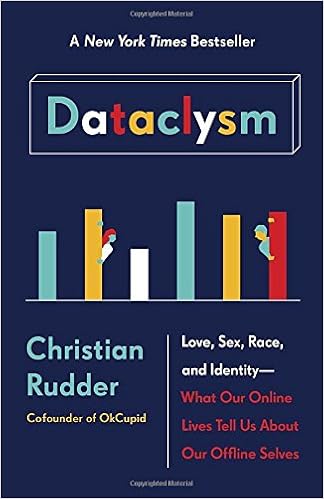
An accessible presentation of many of the findings from the OkCupid blog as well as data from Google Trends, match.com, Facebook, and ShiftGig. People are biased towards the beautiful, the white, the tall, and the young. (Rudder 2014, “Dataclysm”)
A balanced approach to hookup culture based on interviews and student journaling, from freshman through postgraduate. Identifies enthusiasts, ambivalence, and abstainers. Argues that students can enjoy a great deal of casual freedom, but many also look for greater kindness and paths towards more meaningful relationships. (Wade 2017, “American hookup”)
1/4 of straight couples meet online; 2/3 for gay couples (RosenfeldFerdman 2016)
“A Million First Dates”
the Internet makes it easier for single people to meet other single people with whom they might be compatible, raising the bar for what they consider a good relationship. But what if online dating makes it too easy to meet someone new? (Slater 2013)
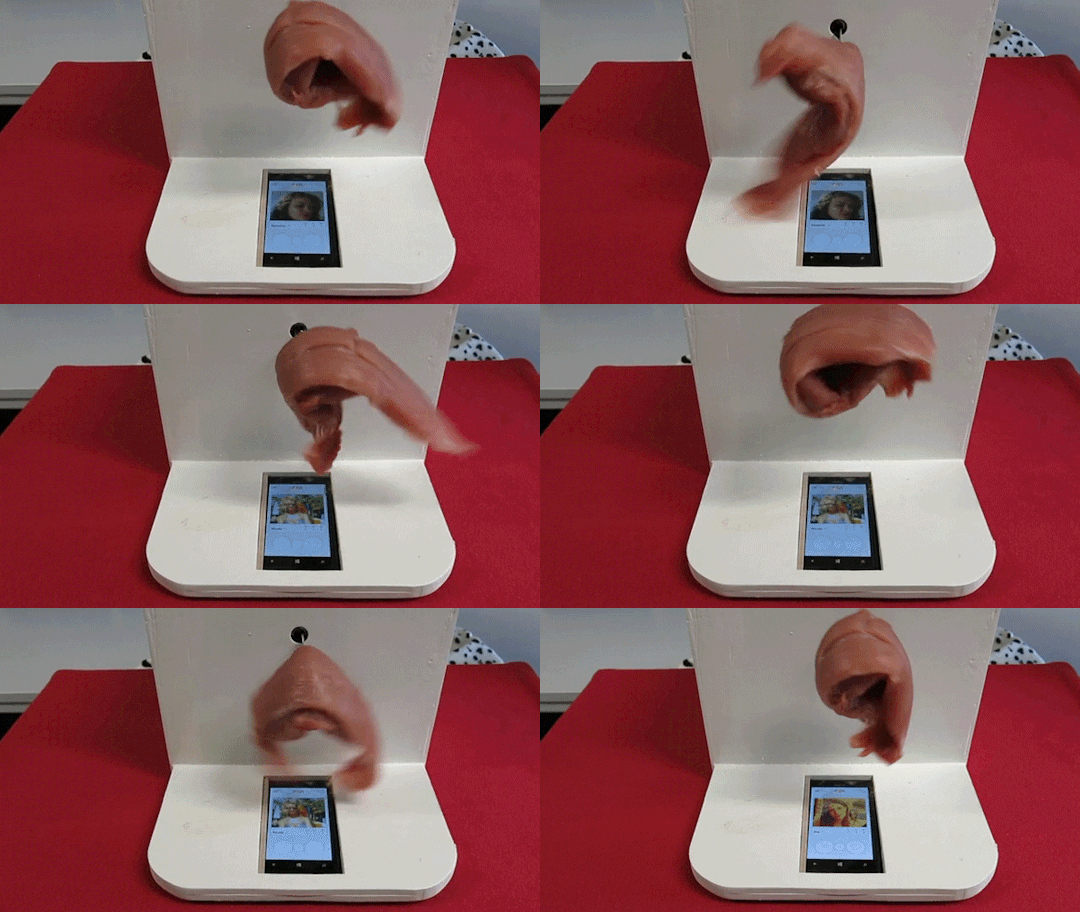
First profile/picture presented has best chances, with a drop especially for women, after ~12 (study 2) and ~30 (study 3) profiles
The results of Study 3 suggested two underlying psychological mechanisms of the rejection mind-set: increased dissatisfaction with the pictures and increased pessimism about one’s chances of finding a partner… Because women typically reject more, they might also cumulate rejections more quickly and thus more easily adopt a rejection mind-set. (PronkDenissen 2019)
people who meet their partners online are not more likely to break up (RosenfeldFerdman 2016)
Of those who stay together:
I think it’s likely that people who look to online dating sites are more intent on finding a partner, especially those using sites like Match.com and eHarmony. (RosenfeldFerdman 2016)
Those who want hookups can do that too.
But will you have a good “how you met” story? 🙂
… online dating sites show that there’s a strong preference for same-race dating. (RosenfeldFerdman 2016)
White women prefer white men to the exclusion of everyone else – and Asian and Hispanic women prefer them even more exclusively. (Rudder 2009)
Does this lead to filter bubble?
(What public speaking tips would you give him?)

“I’m 6 feet tall.” REALITY: People are two inches shorter in real life. (Rudder 2010)
“I make $100,000 a year.” REALITY: People are 20% poorer than they say they are.
people exaggerate more as they get older
if you’re a young guy and don’t make much money, cool. If you’re 23 or older and don’t make much money, go die in a fire. (Rudder 2010)
“Here’s a recent pic.” REALITY: The more attractive the picture, the more likely it is to be out-of-date. (Rudder 2010)
median photo age was 92 days, but hotter photos were older as were photos of older people (Rudder 2010, p. 6)

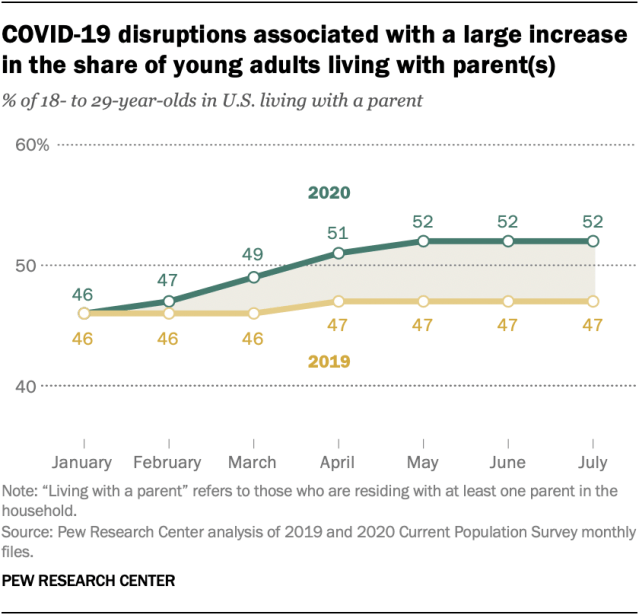
The rise of living alone has been a transformative social experience. It changes the way we understand ourselves and our most intimate relationships. It shapes the way we build our cities and develop our economies. (Klinenberg 2012)
[the latter] has allowed people to experience the pleasures of social life even when they’re living alone. (Klinenberg 2012)
Klinenberg started with eye toward disturbing features (selfishness, loneliness, sickness & death while alone), but concluded the “great majority of those who go solo have a more rich and varied experience.”
What matters is not whether we live alone, but whether we feel alone. (Klinenberg 2012)
Write a “3-minute paper” (bullets are fine) on:
How does digital communication affect dating?
Social changes
What’s this sound like?
networked individualism (RainieWellman 2012, “Network”, pp. 6-7)